Automated Fuel Management Systems for South African Fleets & Depots
Eliminate fuel shrinkage, automate bulk tank tracking, and generate audit-ready SARS diesel rebate reports with Liquitrack’s integrated hardware and telematics solutions.
What is a Fuel Management System?
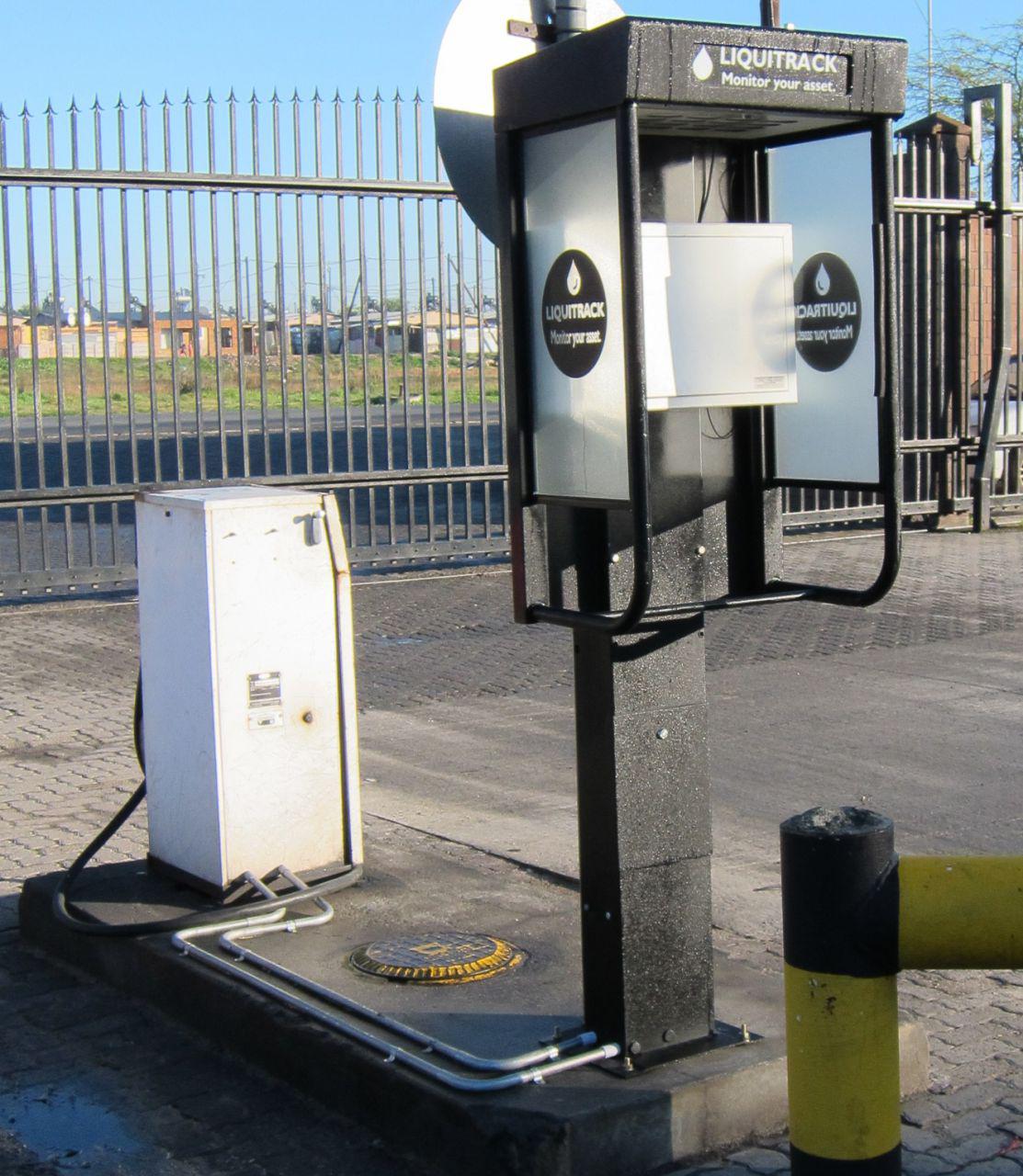
A fuel management system is an integrated combination of hardware sensors, controller units, and software that tracks, measures, and controls fuel inventory and consumption in real time. Systems like Liquitrack automate bowser dispensing, track stationary storage tanks, monitor fleet consumption, and generate audit-ready reports to eliminate theft and lower operational costs.
Key Fleet Operational Challenges Solved by Liquitrack
1. Budget Variance & Monthly Fuel Shortages
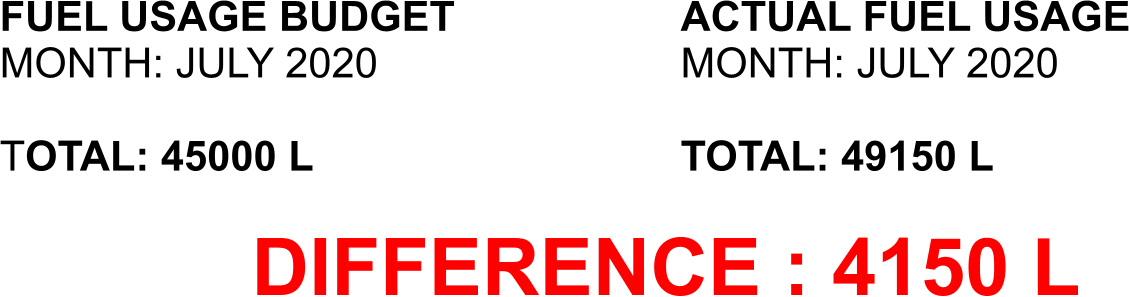
Are you finding your monthly fuel usage budget short every month? Unmonitored variances between budgeted and actual fuel expenditure often stem from unallocated drops and inefficient driving.
2. Live Vehicle & Tank Level Tracking
Capacitive fuel level sensors fitted to vehicle tanks provide accurate live fuel level data within a 2% tolerance. Connected to an Automatic Vehicle Location (AVL) device, the sensor compensates for temperature and detects variations in fuel quality or density.
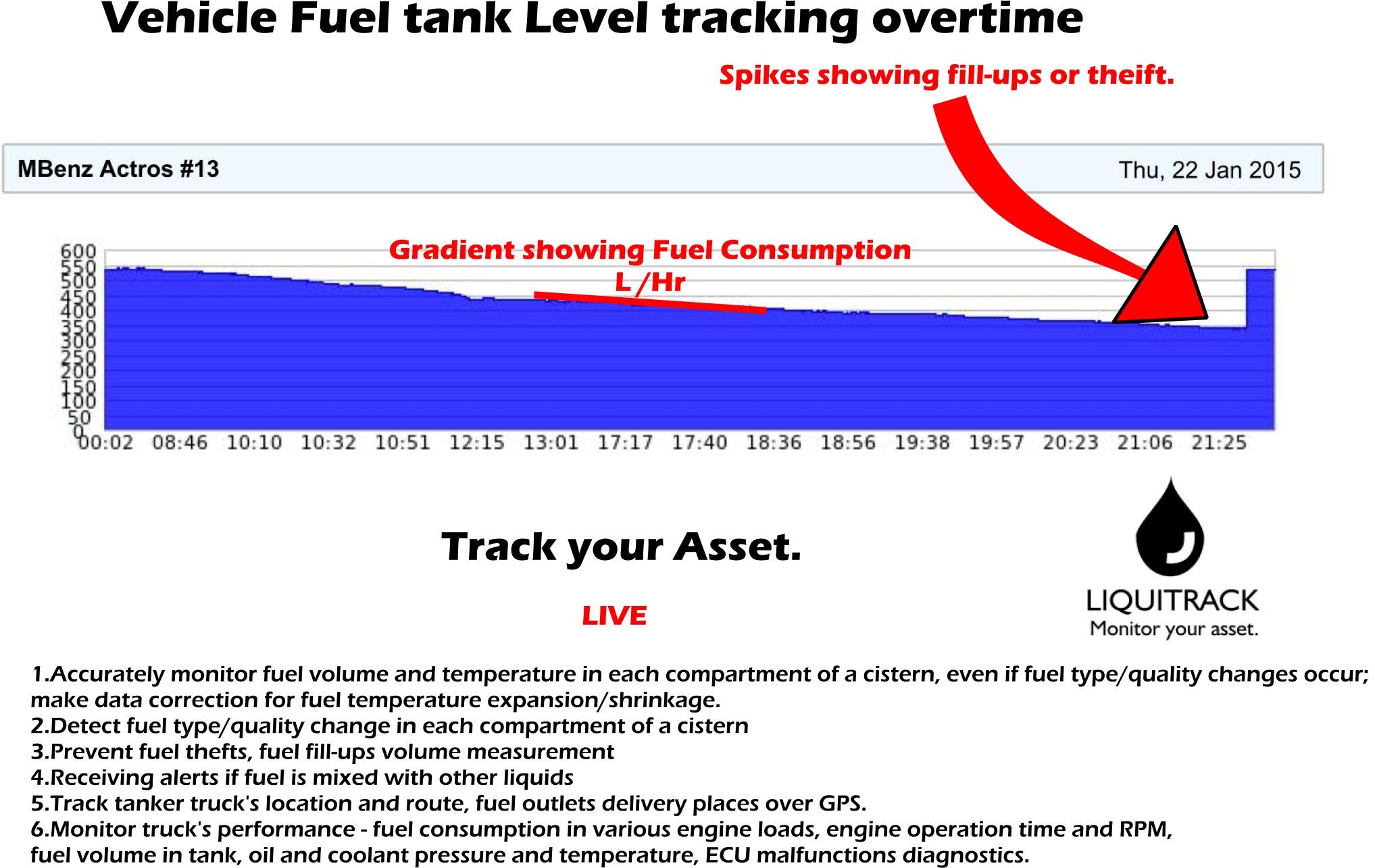
3. Off-Site Fuel Card & On-Site Dispenser Consolidation
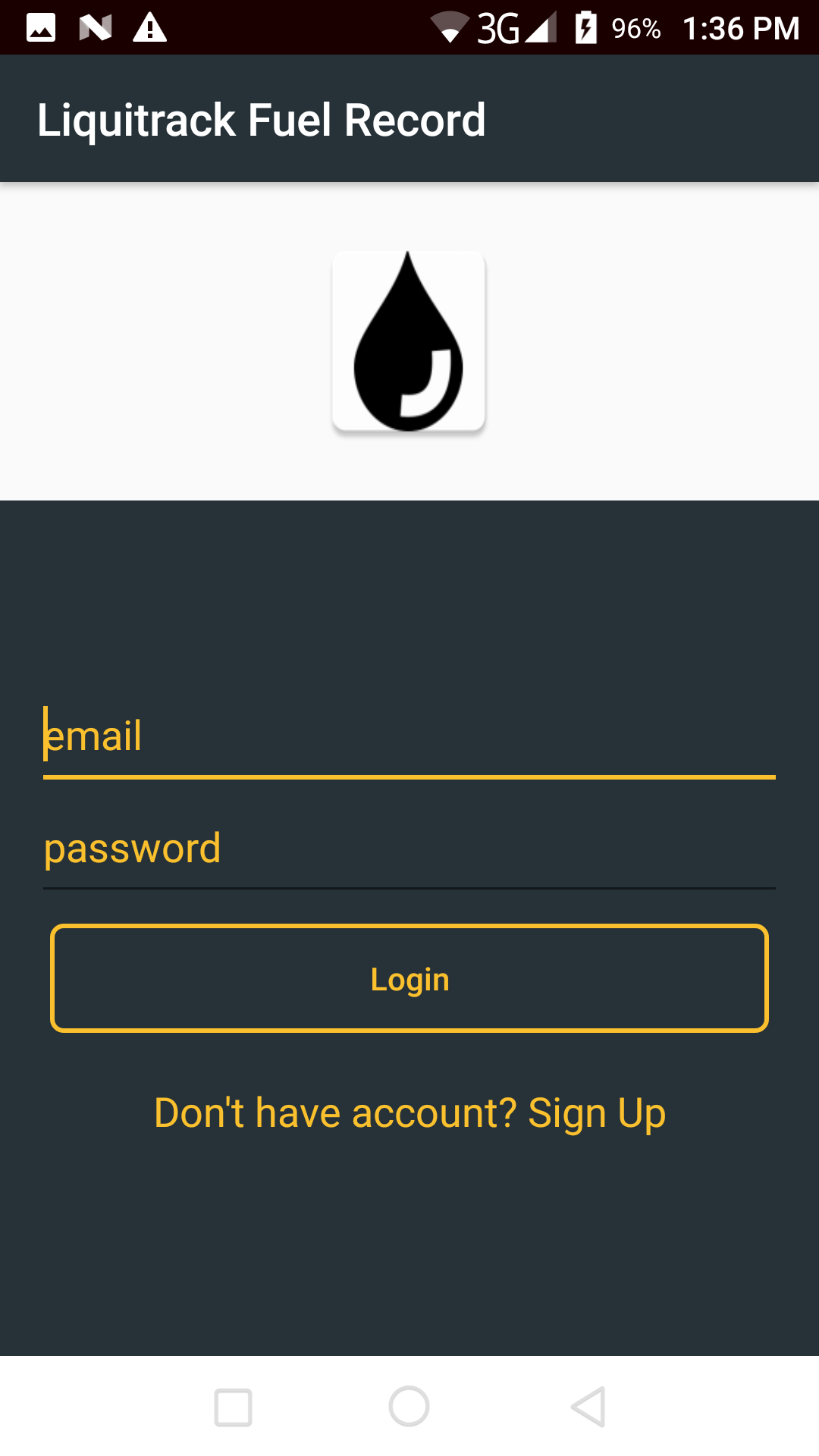
Consolidate in-house fuel dispenser management with external fuel and bank card usage under a proxy mandate. Alternatively, track fuel usage via the Liquitrack Android Mobile App for driver input both on-site and off-site.
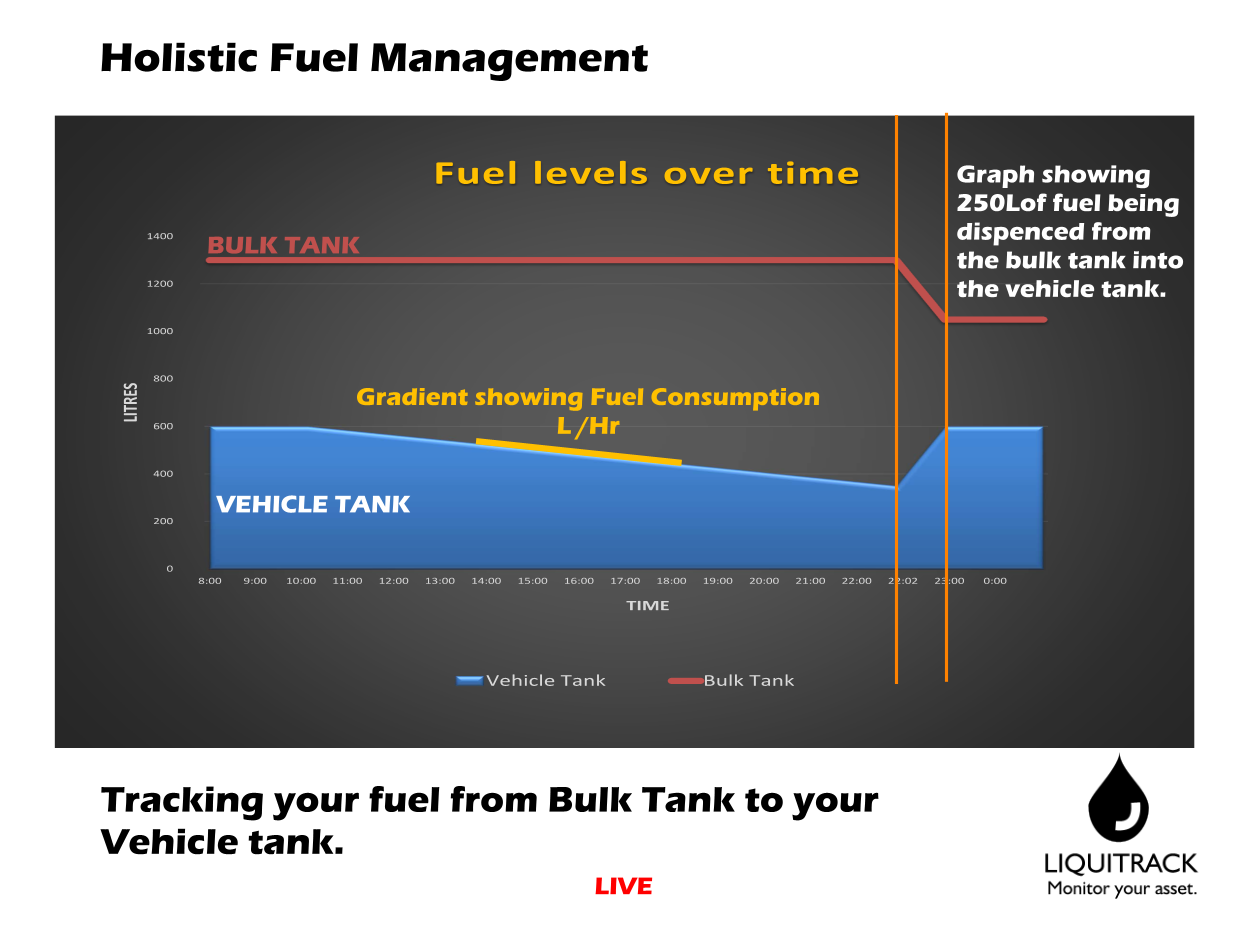
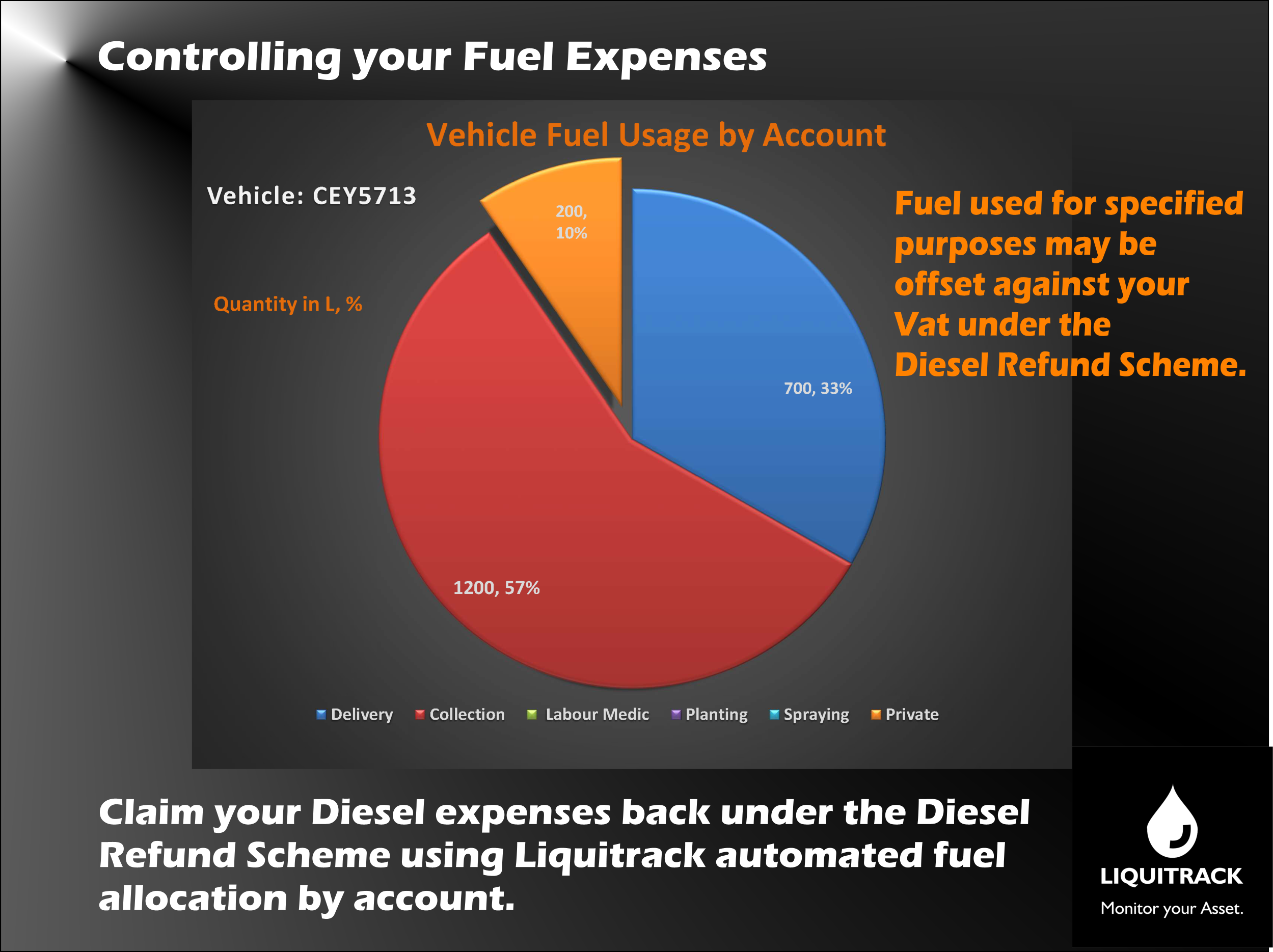
4. SARS Diesel Rebate Compliance
Claim diesel expenses back under the South African Revenue Service (SARS) diesel refund scheme. Liquitrack automatically logs fuel usage to specific accounts and vehicles, capturing the exact electronic data required for audit compliance.
5. Paperless Ledgers & Human Error Elimination
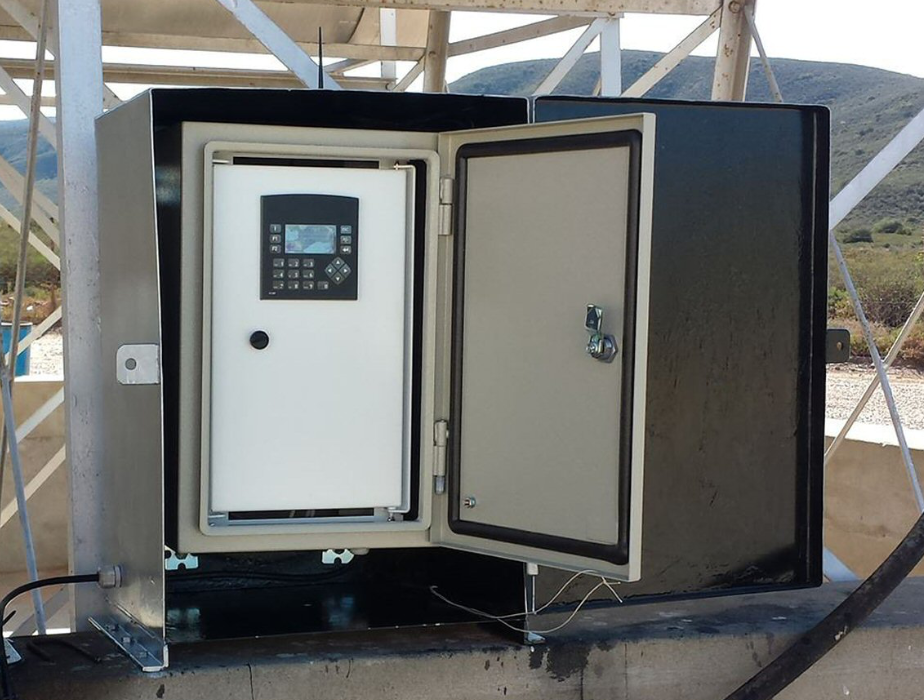
Traditional pen-and-paper logs lead to manual errors, incomplete records, and labor strain. Liquitrack attaches a digital controller to your pump so only authorized personnel can dispense fuel. All volumes log automatically to cloud ledgers and email reports.
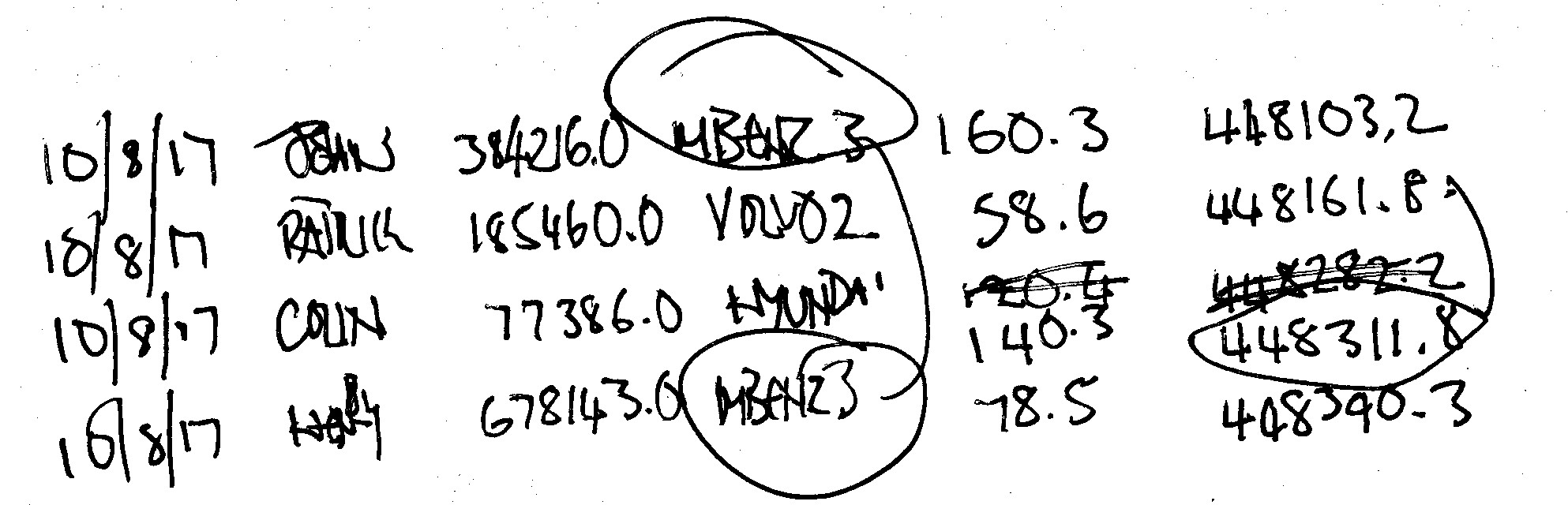
6. Return on Investment (ROI) & Savings
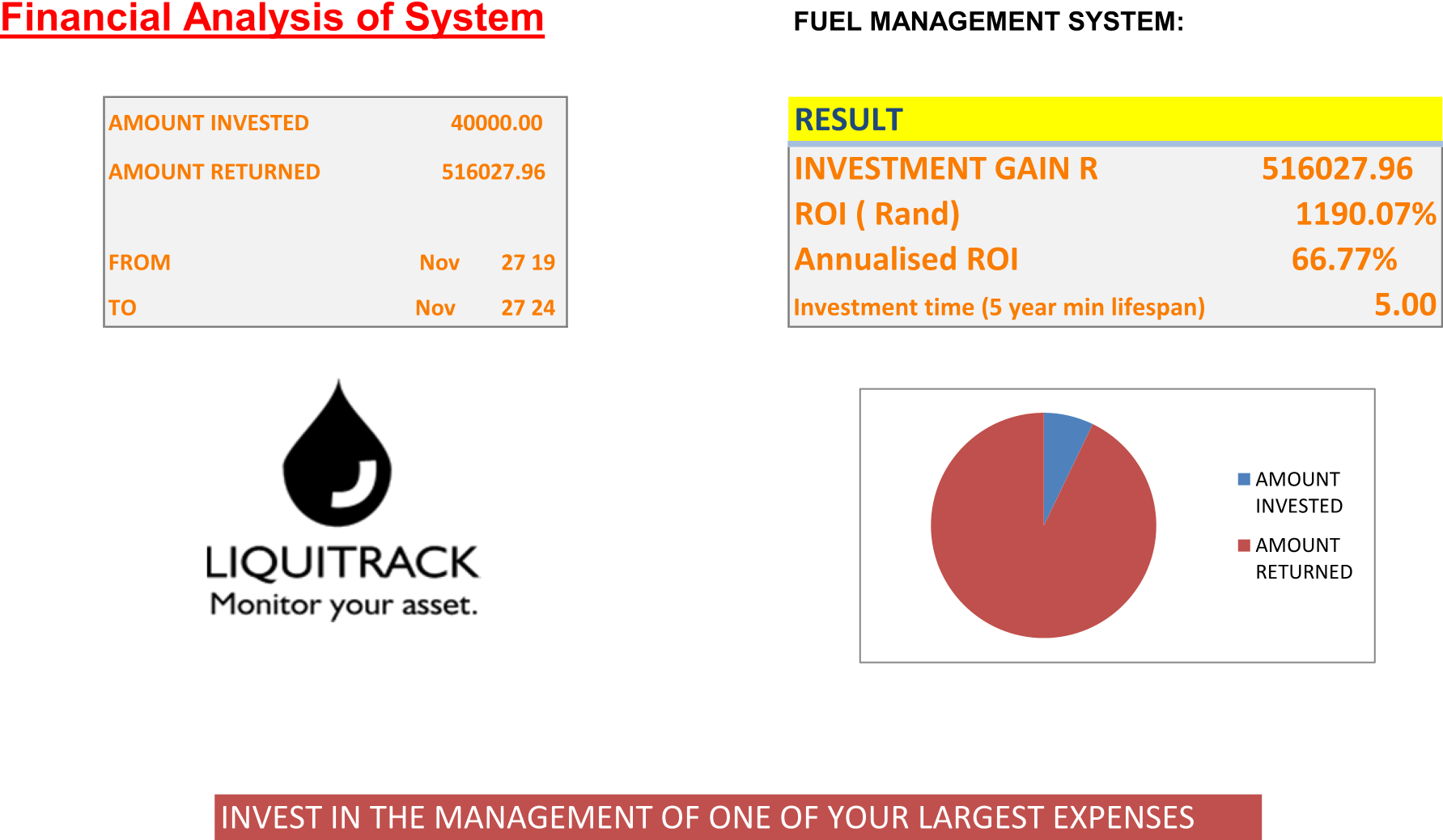
Depending on fleet size and fuel shrinkage rates, a Liquitrack Fuel Management System offers a potential ROI of up to 65% with a payback period as short as 6 months. A 1% improvement in efficiency saves thousands of Rands monthly.
Integrated Fleet Telematics Systems
Tyre Pressure Monitoring Systems (TPMS)
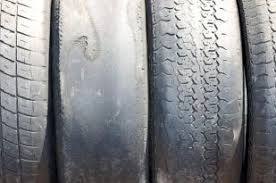
Extend tyre life by up to 30% and lower rolling resistance fuel loss. Real-time pressure sensors alert drivers and fleet managers to low pressure before severe tyre wear or blowouts occur.
Live Axle Load & Overload Monitoring
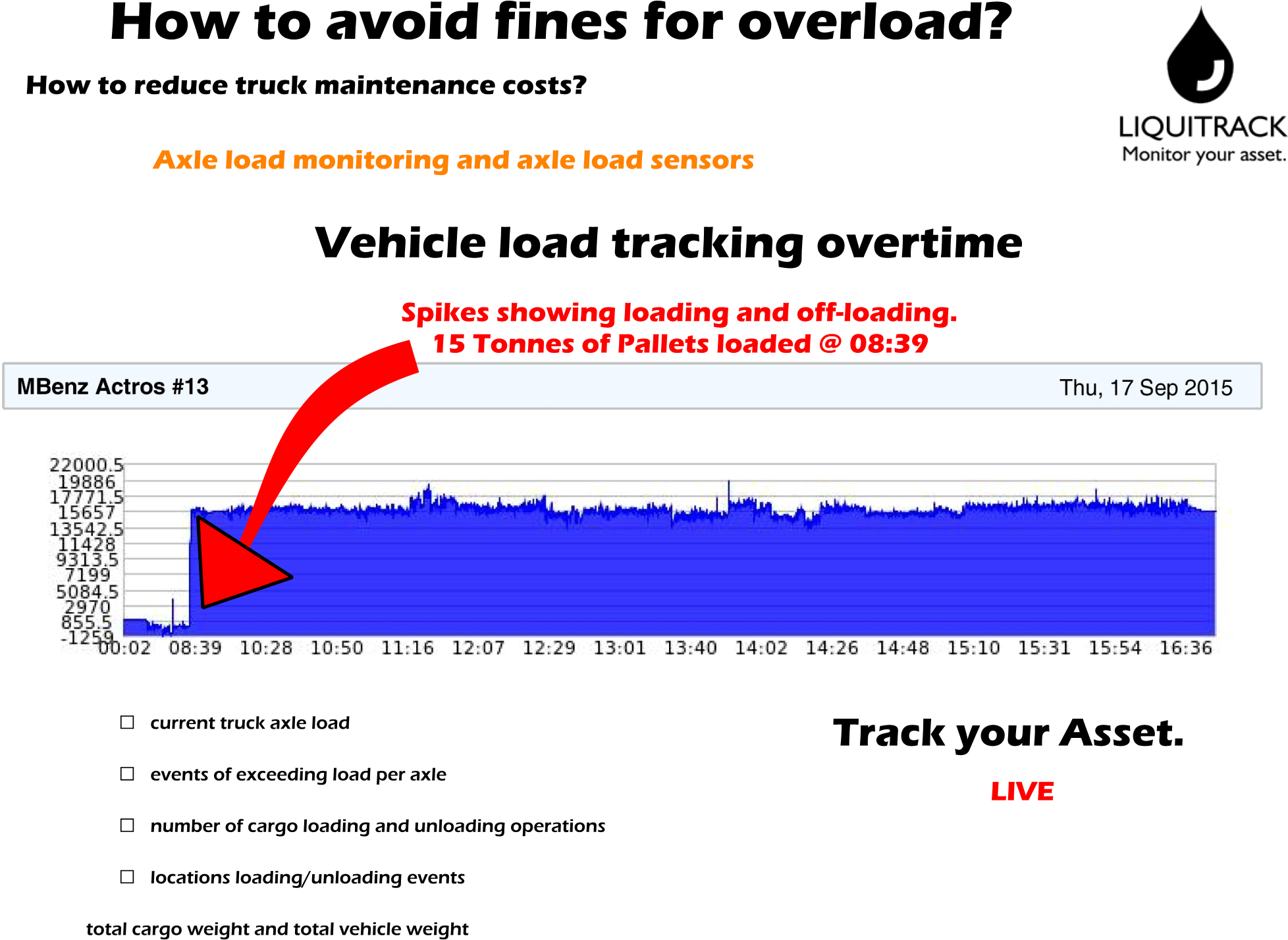
Fit strain or air-suspension mass sensors to prevent costly overloading fines. Drivers monitor real-time weight via an in-cab display while head office tracks payload data via telematics.
Frequently Asked Questions About Fuel Management Systems
- How do fuel management systems prevent fuel theft?
- Liquitrack systems combine tank level probes, digital pump controllers, and GPS stop-verification. Unauthorized fuel draws, siphoning during stopovers, or sudden tank level drops immediately trigger live management alerts.
- Can fuel management systems track fuel usage in real time?
- Yes. Telematics modules transmit fuel levels, pump dispenser data, and vehicle location continuously to cloud dashboards and mobile applications.
- Can the system calculate exact vehicle fuel efficiency?
- Yes. By pairing dispensed fuel volumes with distance logged via AVL tracking, the system automatically calculates km/L efficiency after each fill-up, highlighting abnormal consumption patterns.
- Does the system support multiple tanks and mobile bowsers?
- Liquitrack tracks multi-compartment road tankers, stationary depot bulk tanks, and mobile site bowsers, ensuring full volume accountability from bulk delivery to vehicle consumption.
- How does Liquitrack assist with SARS diesel rebate claims?
- The system records volume, date, time, vehicle ID, and job account electronically for every transaction, outputting logbook data that meets South African Revenue Service audit standards.